Friday, September 4, 2026 / by Janie Alston
5 Hidden Costs of Buying a Home in Maryland & Virginia (And How to Plan for Them)
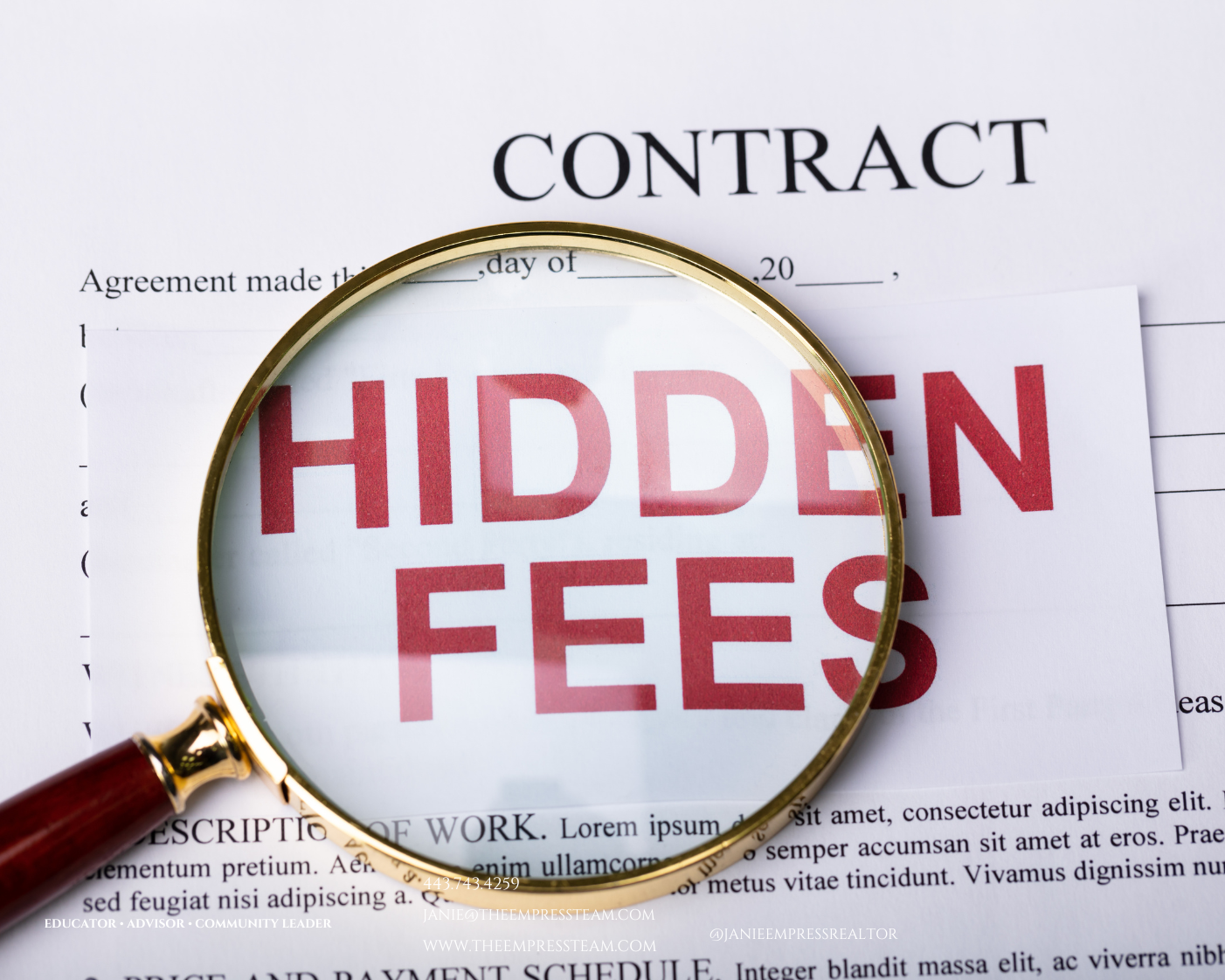
When most home buyers begin budgeting for a home purchase in Maryland or Northern Virginia, they focus primarily on two numbers: the listing price and the down payment. While these are certainly the largest figures you will encounter, they do not represent the full financial picture.
Navigating closing costs and hidden fees without a plan can lead to unwelcome surprises at the settlement table. To ensure you feel completely empowered and prepared throughout your journey, here is a breakdown of five often-overlooked costs of buying a home in the DMV area and how to plan for them.
1. Transfer Taxes and Recordation Fees
In both Maryland and Virginia, state and local governments charge transfer taxes and recordation fees to legally transfer property ownership from the seller to the buyer.
In Maryland: Total transfer and recordation taxes typically range between 1.5% and 2.5% of the total purchase price, depending on the county. (Note: First-time Maryland home buyers often qualify for an exemption on a portion of the state transfer tax!)
In Virginia: Buyers typically pay a state grantor tax, regional transportation congestion relief fees in Northern Virginia, and local recordation fees.
These fees are collected at settlement, making it essential to factor them into your closing cost estimates early on.

2. Property Tax Escrows and Homeowners Insurance Prepays
Lenders generally require buyers to set up an escrow account at settlement to cover future property taxes and homeowners insurance payments. Depending on the month you close and local tax collection schedules, your lender may require you to pay 2 to 6 months of property taxes and a full year of homeowners insurance upfront at the closing table.
3. Home Inspection and Specialized Testing Fees
A home inspection is one of the most critical steps in protecting your investment, but it is an out-of-pocket expense paid directly to the inspector at the time of service—not rolled into your mortgage.
Standard Home Inspection: Typically ranges from $400 to $700 depending on the square footage and age of the home.
Specialized Testing: Depending on the location, you may also need radon testing, a chimney inspection, a mold assessment, or a sewer scope, which can add $150 to $400+ per test.
4. HOA/Condo Capital Contribution and Transfer Fees
If you purchase a property within a Homeowners Association (HOA) or Condominium Association, you will likely encounter one-time initial fees. Associations frequently charge a capital contribution fee (often equivalent to 2–3 months of association dues) to replenish reserve funds, along with document preparation and administrative transfer fees.
5. Title Insurance and Lender Fees
Title companies perform a comprehensive title search to ensure there are no existing liens, boundary disputes, or ownership claims on the property. At closing, you will pay for:
Lender’s Title Insurance: Required by your mortgage lender to protect their financial interest.
Owner’s Title Insurance: Strongly recommended to protect your equity and ownership rights for as long as you own the home.
Lender Processing and Origination Fees: Standard underwriting and administrative costs charged by your mortgage broker or bank.

Plan Ahead for a Seamless Homebuyer Experience
As a general rule of thumb in the DMV market, you should expect total closing costs to run approximately 2% to 5% of the home's purchase price over and above your down payment.
Building a legacy through homeownership starts with the right guidance. Working with an experienced real estate team ensures that every expense is accounted for well before you reach the closing table.
Ready to start your homebuying journey with zero surprises? Download Our FREE Home Buyer's Guide: https://www.greaterbaltimoreandpahomes.com/info/free-home-buyers-guide